

Residential Roofing & Repairs
Residential roofing, from the deck up
A roof is the one part of a house that is asked to do its whole job without ever being looked at. Most homeowners meet theirs twice: once when it goes on, and once when something has already gone wrong. The years in between are where the decisions that matter actually get made, and almost all of them come down to how the roof was put together at its edges rather than what the shingles cost.
JKey has worked in the construction industry for over 20 years and runs its roofing division from Monroe, Georgia, Gainesville, Florida, and Raleigh, North Carolina. What follows is how residential roofing work is sequenced, what drives the number on a proposal, and the questions worth asking whoever ends up on your roof.
Roofing, restoration, construction and marine under one contractor.
Held for residential and light commercial work.
Certified roofing contractor, State of Florida.
Across all four divisions of the business.
Repair or replace is a question about the deck
The visible layer is rarely what decides it. Shingles are a wear surface, and a roof can look tired for years while the assembly underneath is sound. What settles the question is the condition of the decking and the flashings: whether the sheathing has stayed dry, whether the fasteners still have something to bite into, and whether water has been finding the joints where two planes meet.
That is why a serious assessment involves the attic as well as the roof. Staining on the underside of the deck, daylight at a penetration, or sheathing that flexes underfoot tells you more about remaining life than any amount of surface granule loss. A roof with a sound deck and failing shingles is a replacement of the wear layer. A roof with a compromised deck is a different scope, and finding that out after the tear-off has started is how a project gets expensive.
The other input is age relative to the code the roof was built under. In Florida especially, a roof installed before the current fastener and secondary water barrier requirements will not simply be patched back to its original condition once a large enough share of it is opened up. That threshold sits in the building code, not with the contractor, and it is worth understanding before the scope is written.
Where roofs actually fail
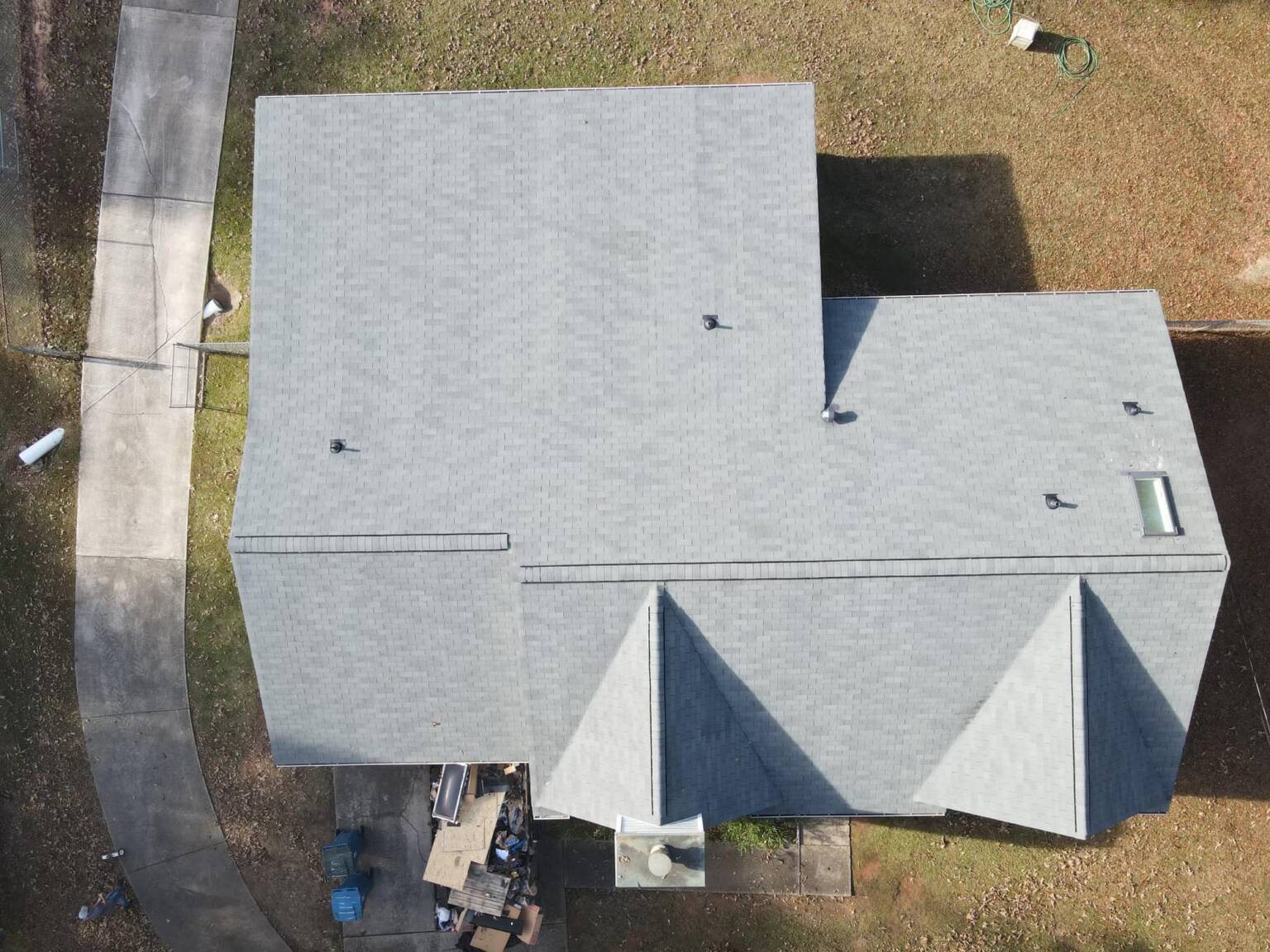
Field failures, meaning the middle of a plane, are uncommon on a roof that was installed correctly. Water gets in at transitions. Valleys, chimneys, skylights, wall intersections, plumbing boots and the eave detail account for most of what turns into an interior stain, and every one of them is a flashing question rather than a shingle question.
Plumbing boots are the most reliable example. The rubber collar around a vent pipe has a shorter service life than the roof covering it sits in, so a twenty year roof will often need its boots addressed once before it needs anything else. Left alone, that is a slow leak directly above a wall cavity.
The eave is the second. Ice is not the driver in Georgia and Florida the way it is further north, but wind-driven rain is, and an eave without a properly lapped starter course and drip edge lets water track backwards under the first row. That damage shows up as rotted fascia and soffit long before it reaches a ceiling.
What actually drives the number
Square footage is the smallest part of it. The variables that move a residential roofing proposal are pitch, the number of planes, the number of penetrations, how many layers are coming off, and access.
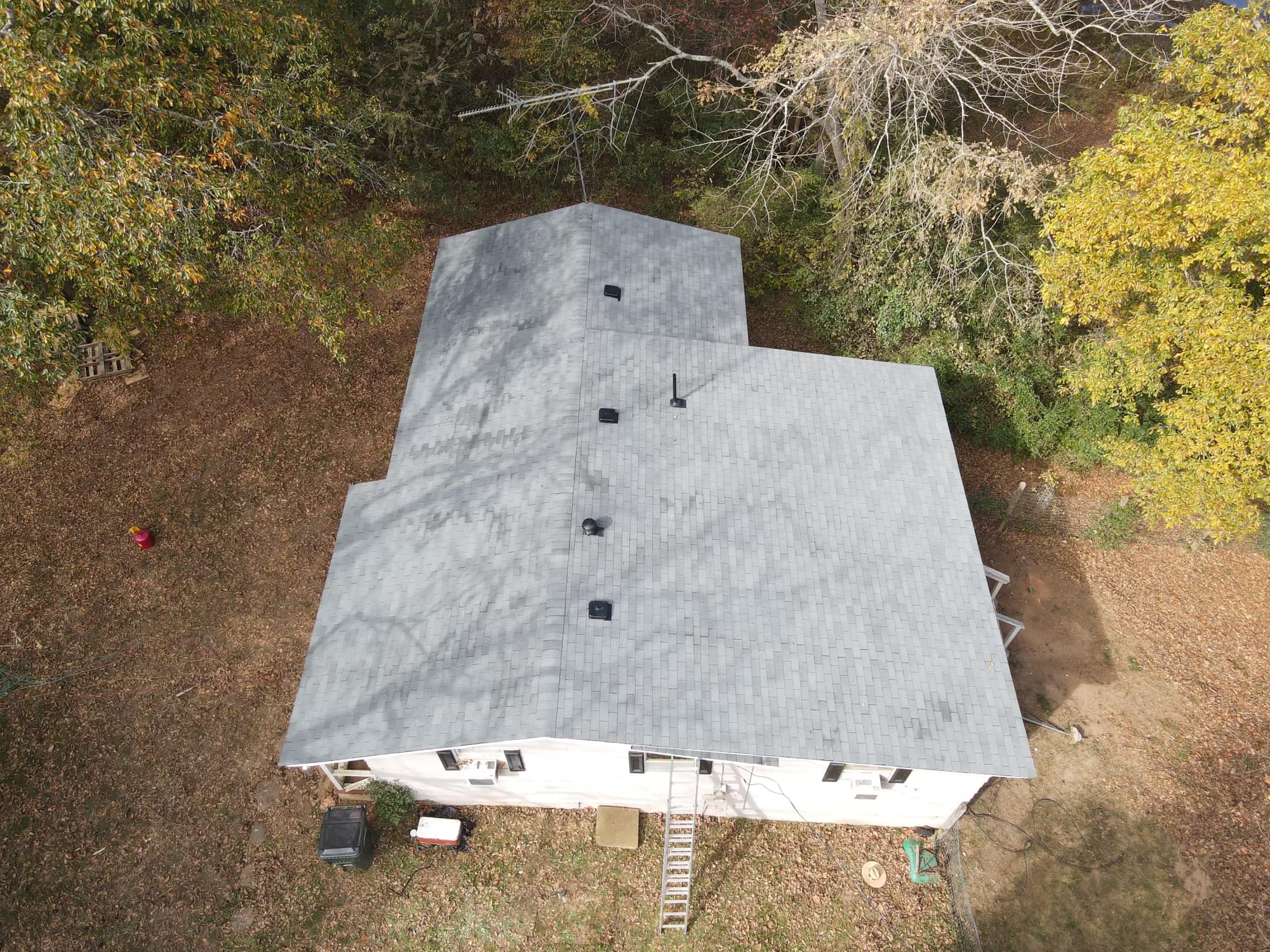
Pitch changes the method. Past a certain slope the work stops being walkable and starts requiring staging, which changes the labour on every square regardless of material. A complex roof with six planes, three valleys and a dormer carries far more linear feet of flashing than a simple gable of the same area, and flashing is where both the labour and the risk live.
Tear-off matters because it is the one line item that can change mid-project. A single layer coming off a sound deck is predictable. Two layers, or one layer over decking that turns out to be damaged, is not, which is why a proposal should say plainly what happens if deck replacement is needed and how it will be priced when it is.
Material sits on top of all of that. Architectural asphalt, standing seam metal and stone coated metal are different products with different service lives, weights and installation methods, and the right answer depends on the structure and the exposure rather than on which one is nicest.

How the work happens
6 stagesThe work itself
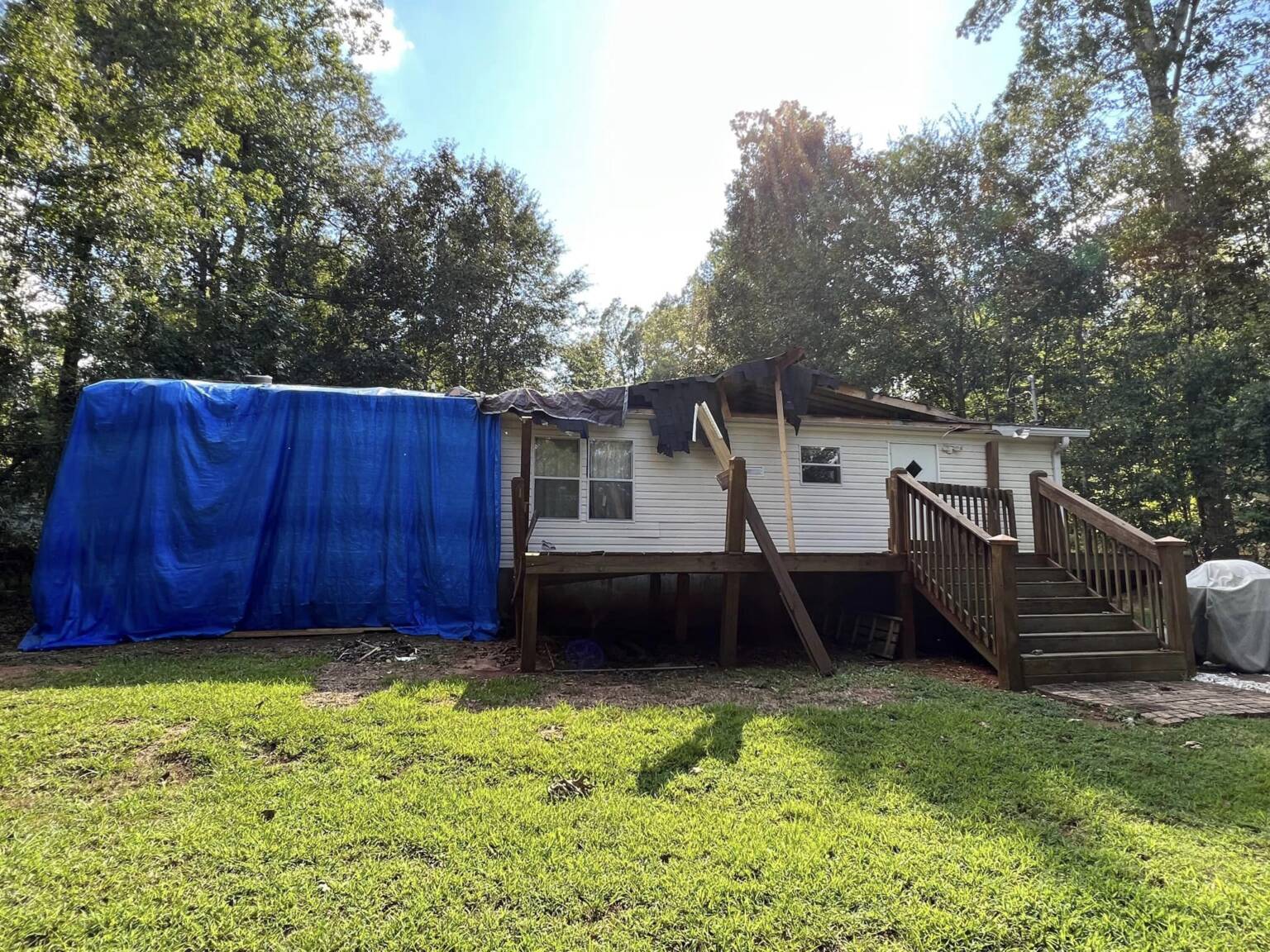
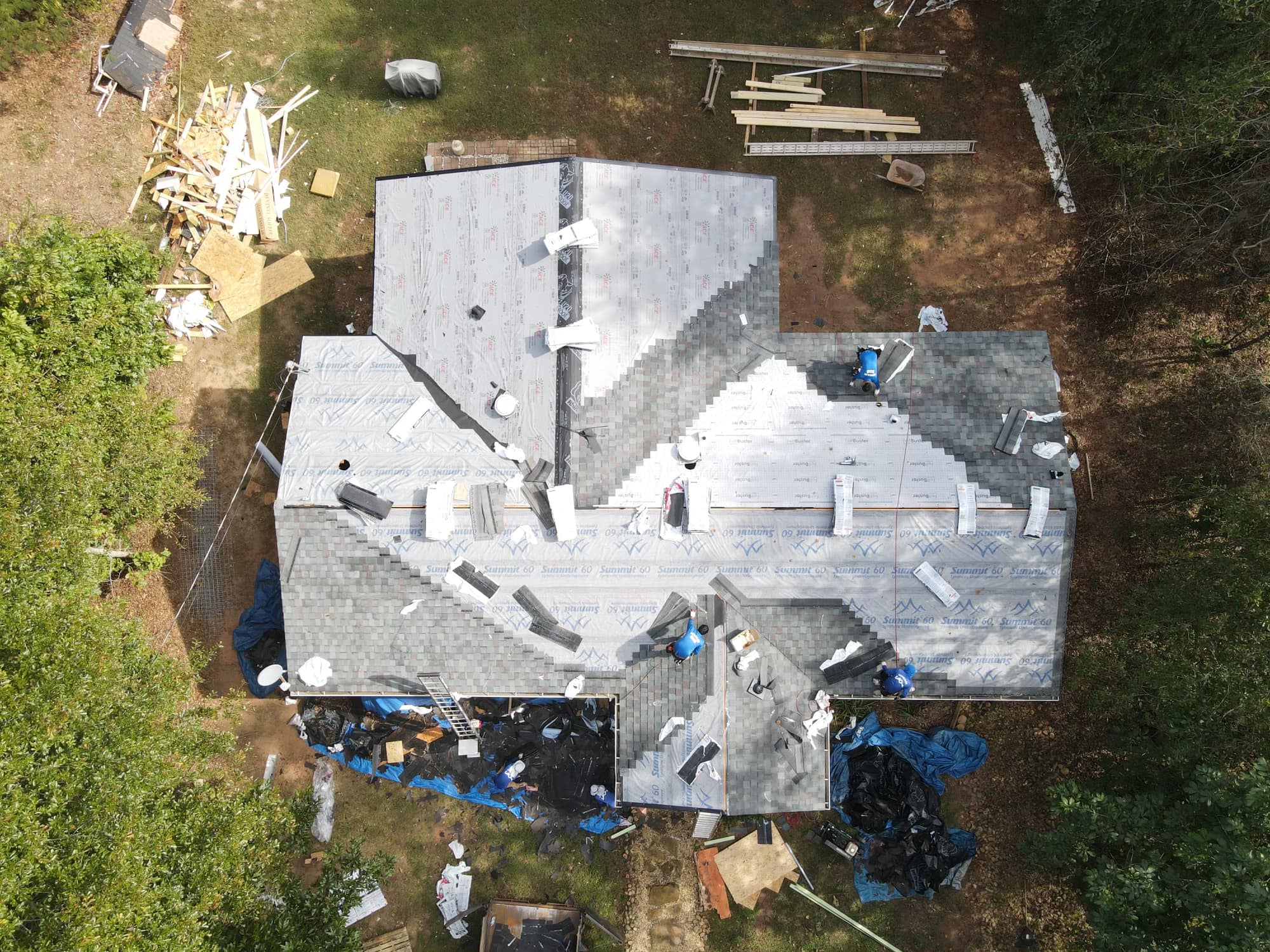
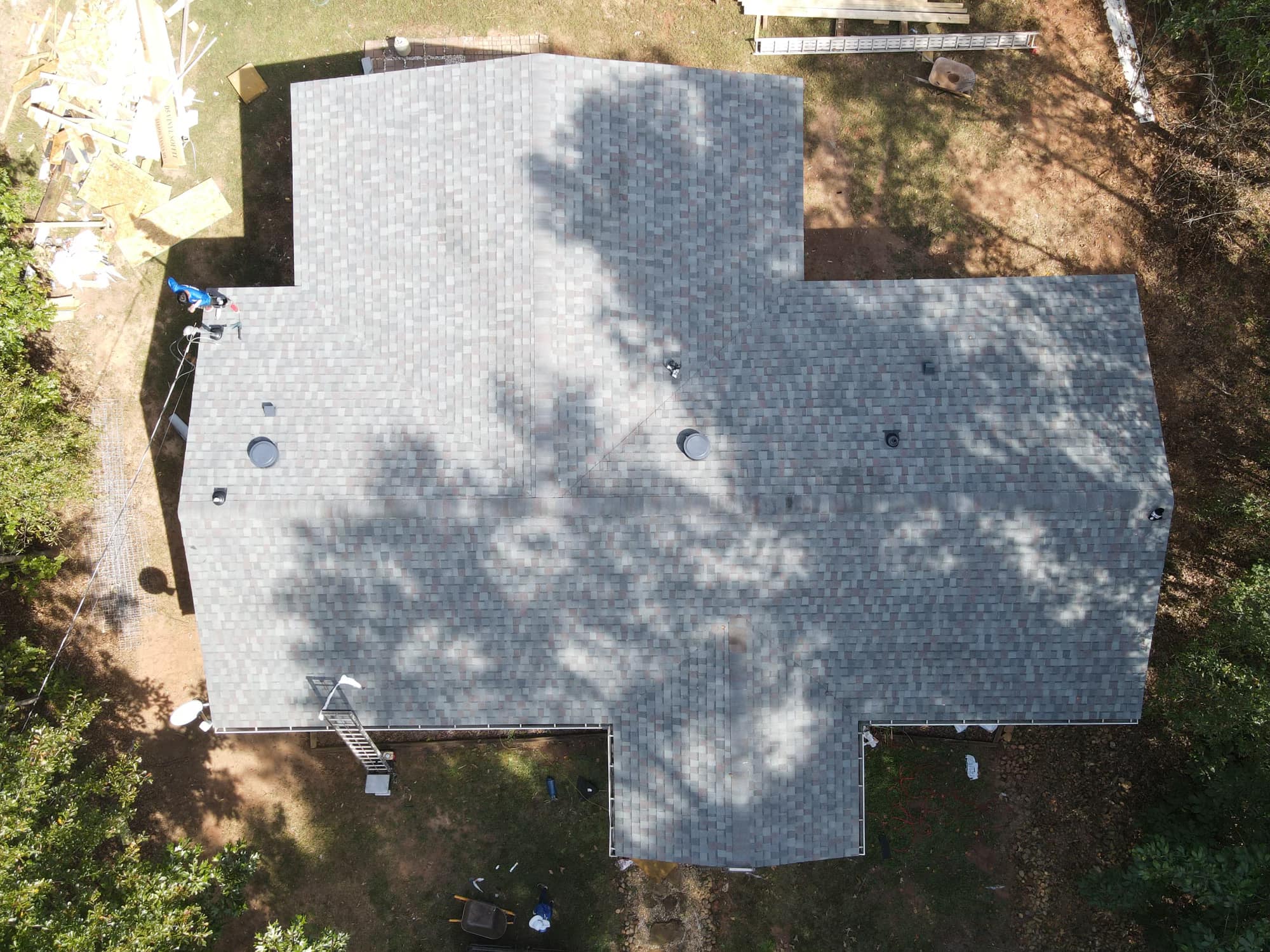
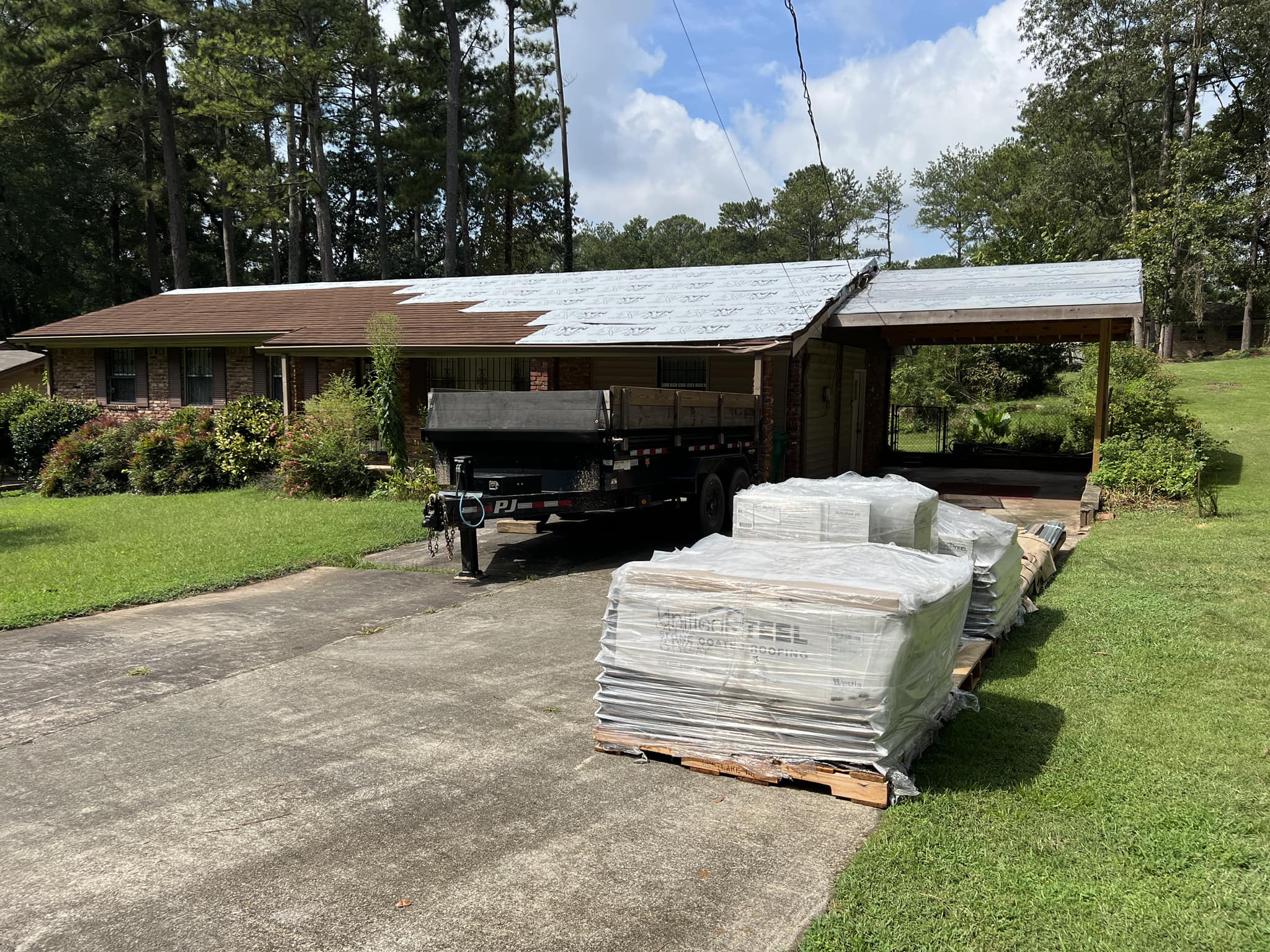
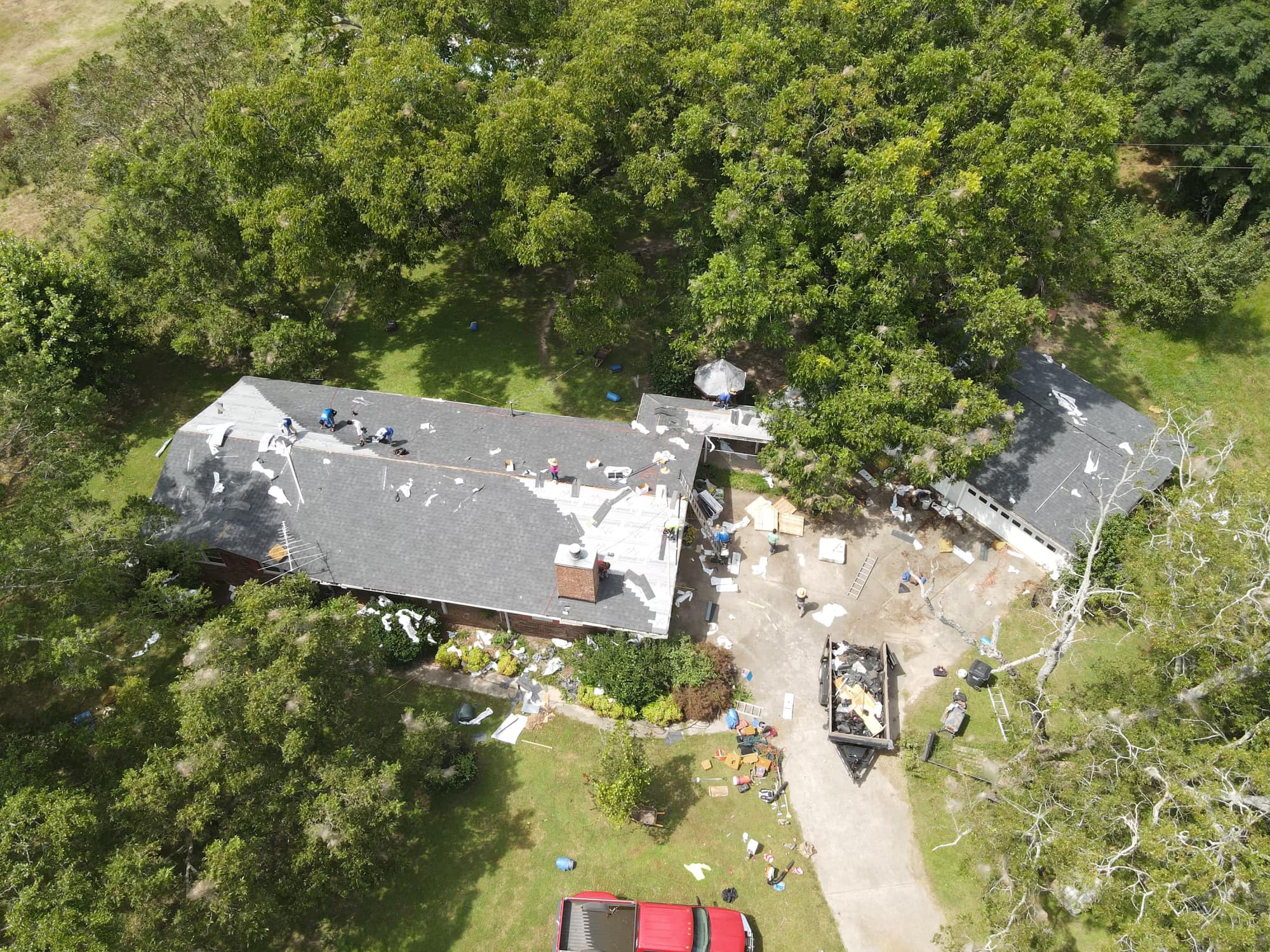
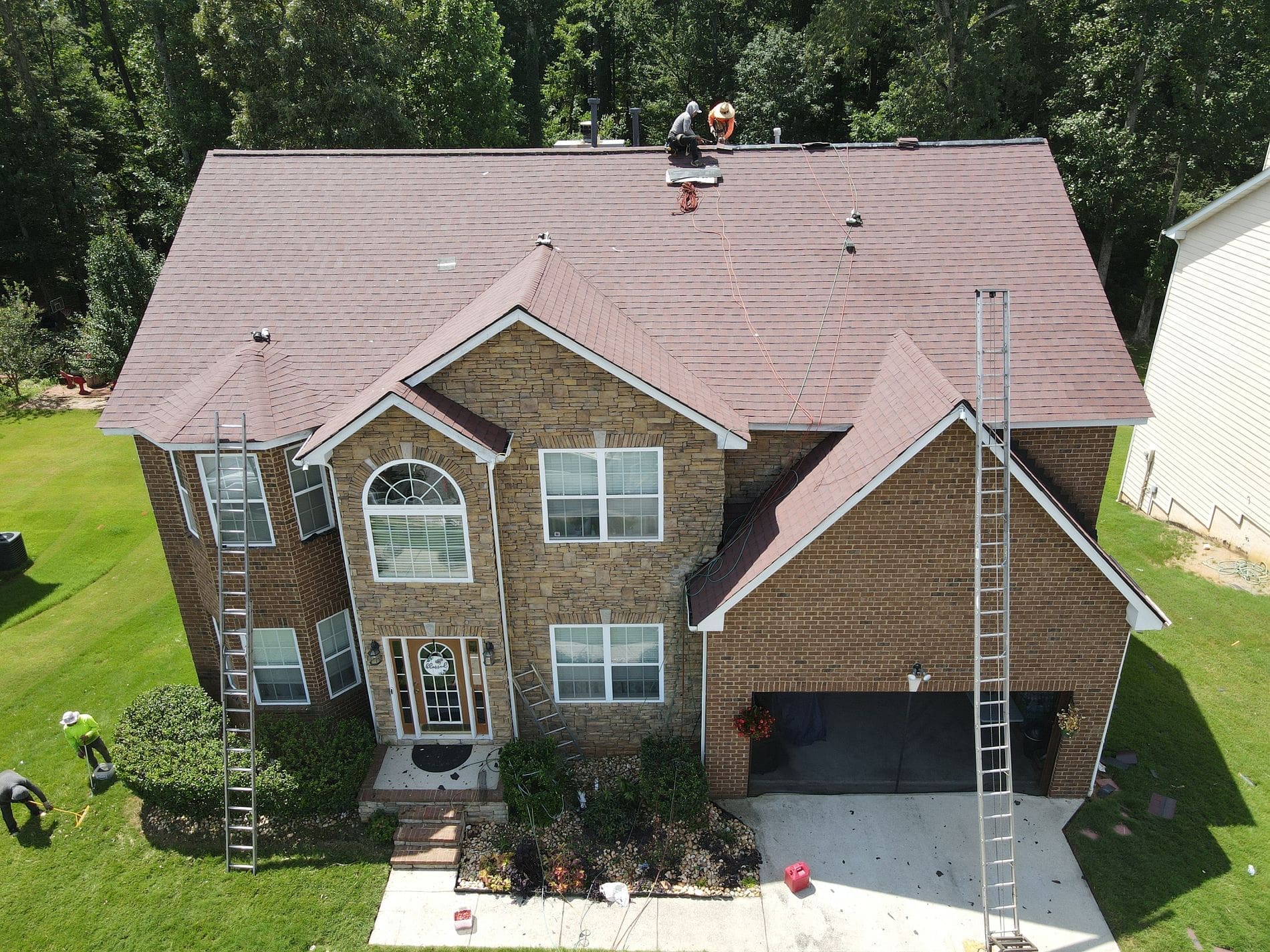
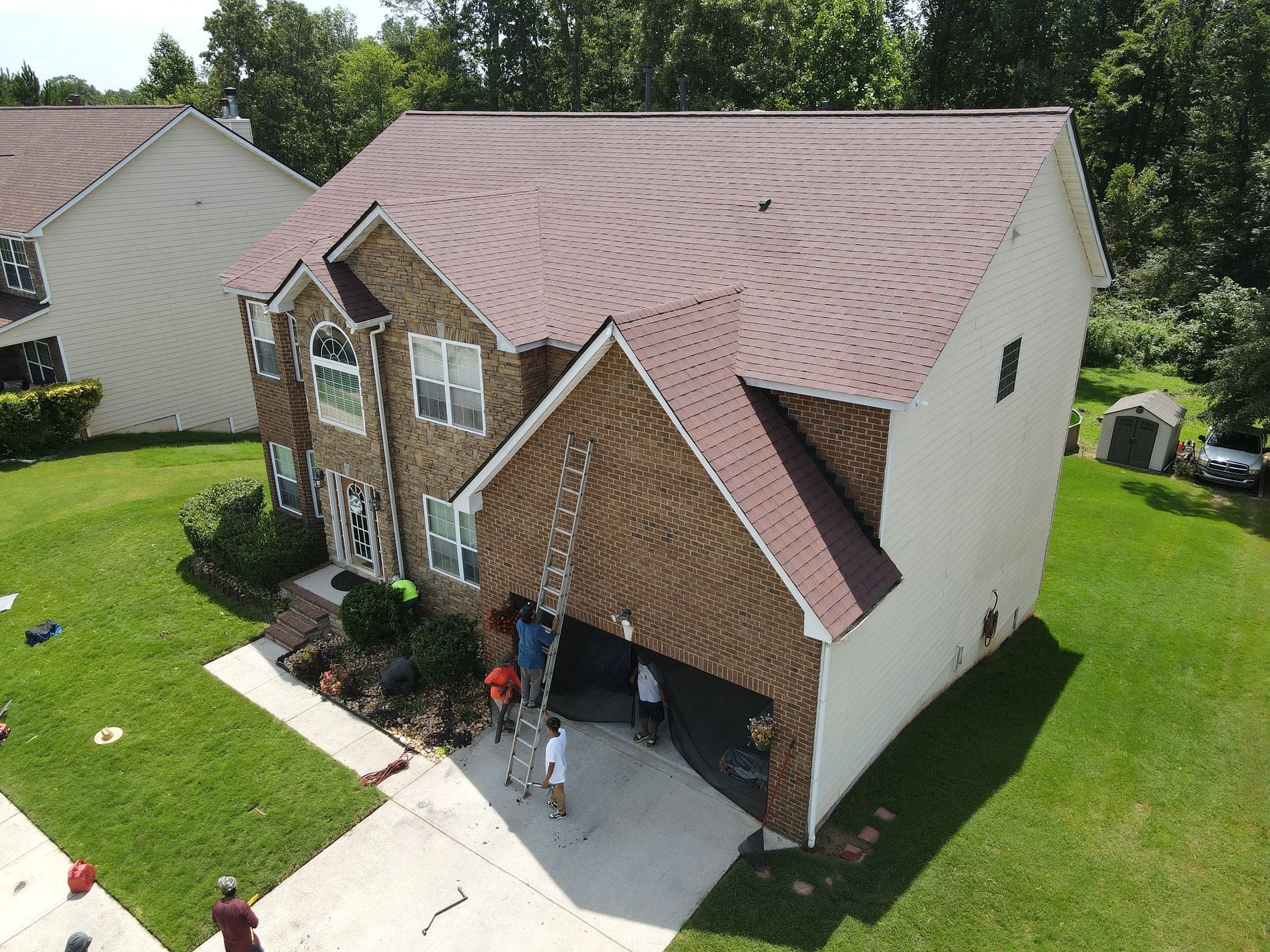
JKey job photography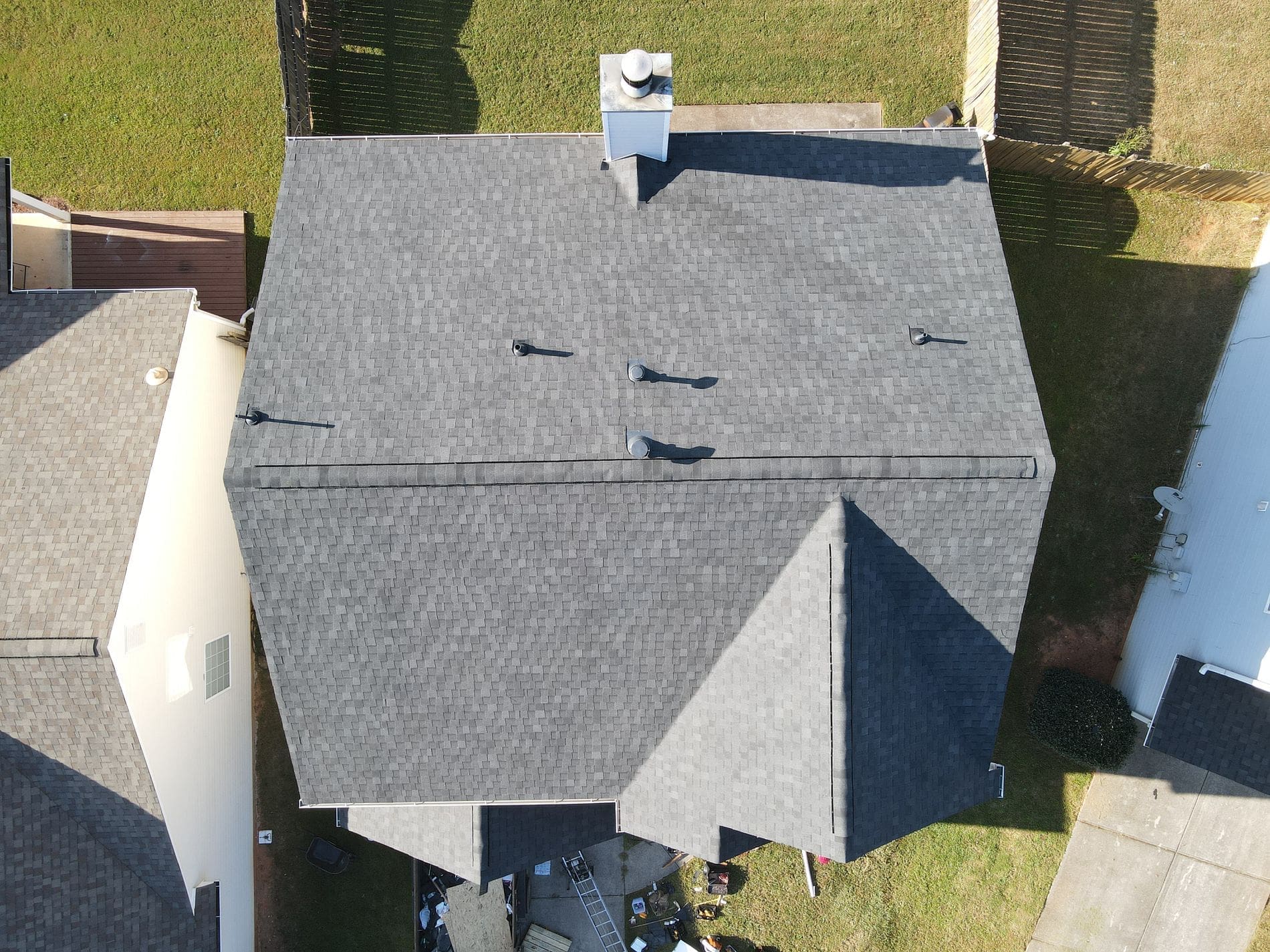
Frequently Asked Questions
How long should a residential roof last?
Service life depends on the material and the exposure more than on the brand. Architectural asphalt is generally specified in the 20 to 30 year range, and metal roofing considerably longer, but both numbers assume the roof was ventilated properly and the flashings were done well. A poorly ventilated attic will shorten an asphalt roof noticeably, because the heat load cooks the shingle from underneath. In north central Florida the combination of UV and afternoon storms is harder on a roof than the same material would see further north.
Can a roof be repaired instead of replaced?
Often, and it is worth asking. A localized failure at a boot, a valley or a wall flashing is a repair, not a replacement, provided the decking around it is sound and the rest of the roof has meaningful life left. What pushes a job from repair to replacement is either the condition of the deck or the share of the roof that has to be opened up. Florida sets a code threshold on that share, which is why the same repair can be a straightforward fix on one house and the trigger for a wider scope on another.
What does a roof inspection actually cover?
A useful inspection looks at four things: the covering, the flashings and penetrations, the decking, and the ventilation. Anything that only looks at the covering is a sales call. Ask for the attic to be included, because that is where a developing leak shows up first, and ask for photographs of what was found rather than a verbal summary.
Do I need a permit to replace my roof?
In almost every jurisdiction JKey works in, yes. A full covering replacement is permitted work and carries an inspection, usually at dry-in and again at completion. Permits are issued at the county or municipal level, so the process differs between Monroe, Gainesville and Raleigh. A contractor who suggests skipping the permit is proposing that your roof never be inspected, which becomes your problem at resale.
What should I ask before signing a roofing proposal?
Ask who is pulling the permit and who meets the inspector. Ask what the proposal assumes about the decking and what happens if that assumption is wrong. Ask which flashings are being replaced rather than reused, because reusing old step flashing at a wall is a common shortcut and a common leak. Ask to see photographs of a completed job at a valley or a chimney, not a finished elevation from the street.
Let’s Build Something Strong Together
Ready for reliable restoration, roofing, construction, or marine services? Contact us today for expert solutions built to last!