
What Does a Roof Inspection Cost (and What’s Included)?
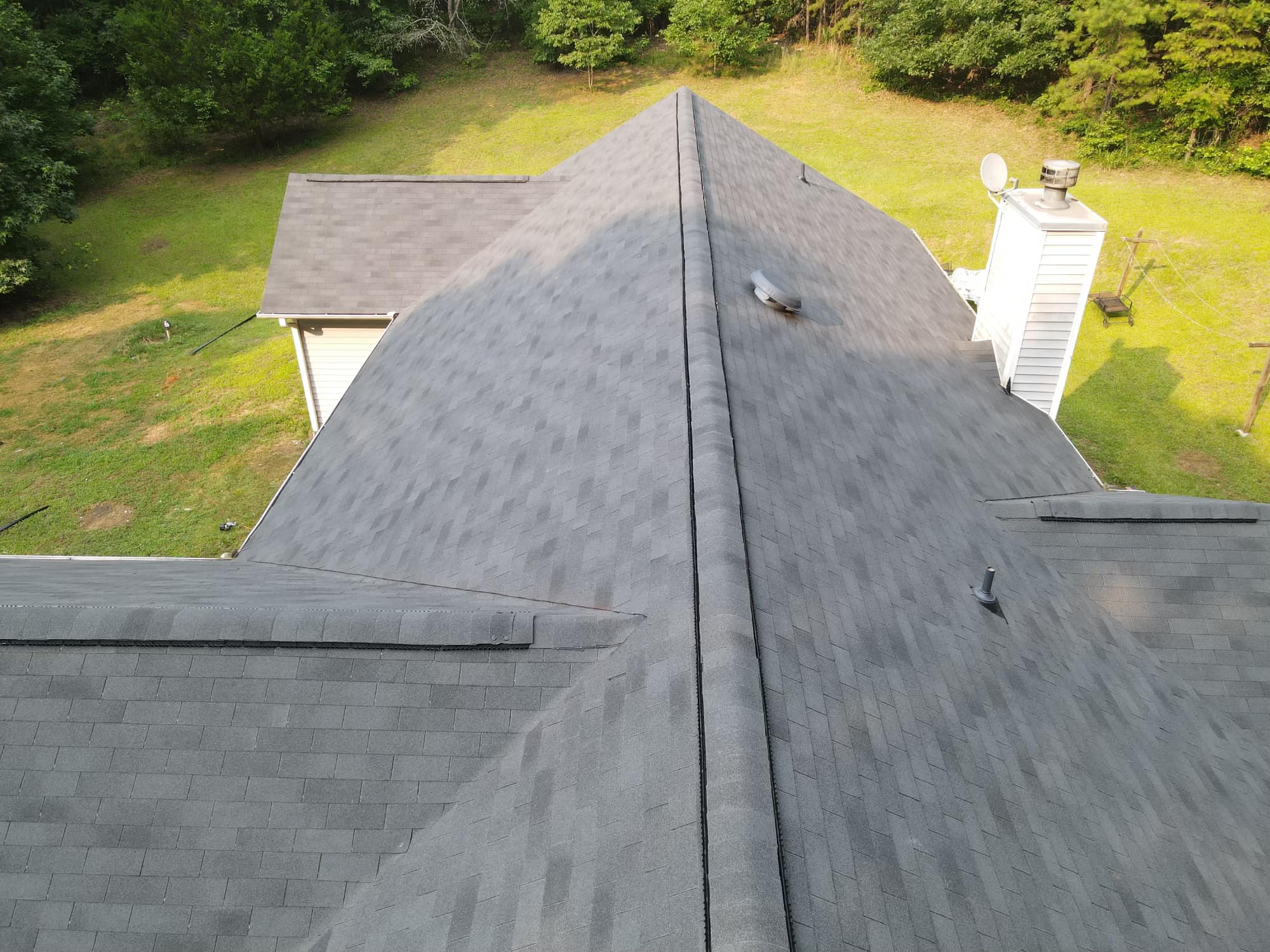
A roof inspection from JKey costs nothing. JKey inspects residential roofs for free in and around Monroe GA, Gainesville FL, and Raleigh NC. Independent inspectors and some roofers do charge, and their price depends on why you need the inspection, how big and steep the roof is, and how detailed a written report you need.
What separates a useful inspection from a quick look is what gets checked and what you’re handed afterward. Both matter more than the price tag.
How Much Does a Roof Inspection Cost?
There are two answers, and which one applies depends on who’s doing the inspecting.
From a roofing contractor like JKey, it’s free. The inspection is how a roofer learns whether your roof needs a repair, a replacement, or nothing at all, so most local roofers don’t bill for it. JKey’s inspections are free across all three of its markets. If you need a written report for an insurer or a sale, ask about it when you book.
From an independent inspector, you’ll usually pay. Home inspectors, roof certification companies, and some roofers who only sell inspections charge a fee. That fee pays for a report written for a third party, such as a buyer, lender, or insurance carrier, and for an inspector with no work to sell you afterward.
Neither option is wrong. The question is what you need the inspection to produce.
Why Do Some Roofers Charge for Inspections and Others Don’t?
A roofer who charges usually does it for one of three reasons. The visit produces a formal written report or certification letter. The company doesn’t do repairs, so the inspection is the whole job. Or the roofer wants to filter out callers who only want free advice.
A roofer who doesn’t charge treats the inspection as the first step toward any work the roof needs. That’s a normal business model. It only becomes a problem when the “inspection” is really a sales pitch, and a good contractor will tell you plainly when the roof is fine.
JKey’s roof inspection page draws that line clearly: an inspection is a diagnosis of the roof, and a quote is a price for a scope of work. A free inspection should still be a real inspection.
What Changes the Price of a Paid Roof Inspection?
If you’re comparing paid options, these are the factors that move the number:
- Purpose. A real estate certification or an insurance condition report takes more documentation than a general check-up.
- Roof size. More planes, more square footage, more time.
- Pitch and access. Steep roofs, tall homes, and roofs that can’t be walked safely take longer and may need extra equipment.
- Roofing material. Tile, slate and metal take different handling than asphalt shingles, and some can’t be walked on at all.
- Report detail. A verbal summary costs less than a photo-documented written report with findings by location.
- Attic access. Inspecting the underside of the deck adds time, and it’s the part most worth paying for.
Ask what the fee includes before you book. A paid inspection that skips the attic or doesn’t put findings in writing isn’t a bargain at any price.
What’s Included in a Roof Inspection?
A thorough residential roof inspection covers four parts of the roof:
- The covering. Shingles, metal panels, or tile, checked plane by plane for wear and for storm damage.
- Flashing and penetrations. Valleys, chimneys, skylights, wall intersections, and plumbing vents. Most leaks start at one of these.
- The decking. Checked from above for soft spots and from the attic for staining, daylight, and sagging.
- Ventilation. Intake at the soffit, exhaust at the ridge, and whether the attic is trapping heat and moisture.
The fascia, soffit, and roof edge get a look from the ground first.
What you should get afterward is where inspections differ most. Ask for:
- Photos of actual conditions, tied to where they are on the roof
- Findings with a stated cause, such as “lifted shingles on the north slope near the chimney,” rather than “some damage”
- Wear separated from storm damage, which matters if an insurance claim is likely
- A clear call: repair, replace, or nothing needed
If the inspection finds moisture or growth on the attic sheathing, that’s a ventilation or leak problem first. If it has spread, JKey’s mold remediation team handles the cleanup in Georgia and Florida.
Are Free Roof Inspections Legit?
From a licensed local contractor, yes. From a stranger at the door after a storm, be careful. The Better Business Bureau warns that fake roofers often offer a “free inspection” after big storms and then invent damage, sometimes by tearing up shingles themselves or showing photos of someone else’s roof.
A legitimate free inspection has a few things in common:
- You scheduled it. It wasn’t a door-knock or a cold call.
- The company has a local address and a state license. JKey holds Georgia license RLQA004595 and Florida license CCC1335303.
- You get to see the evidence. Photos of your roof, not a stack of generic damage pictures.
- No pressure to sign that day. A good inspector leaves you with findings and time to decide.
When a storm does come through, the right first call is a licensed local roofer you chose yourself. Use the first 48 hours after storm damage to protect the house and photograph what you find, because those photos make the roof insurance claim easier to support when the adjuster arrives.
When Is a Paid Roof Inspection Worth It?
A paid, independent inspection earns its fee in a few situations:
- Buying or selling a home when the lender, buyer, or agent wants a report from someone with no stake in a roofing job.
- An insurance carrier asks for a roof condition report in a specific format, especially on an older roof.
- You want a second opinion after a roofer recommends a full replacement and you’re not convinced.
For a homeowner who simply wants to know the condition of the roof, whether a storm did damage, or whether that ceiling stain is coming from above, an inspection from a licensed roofer answers the question, and many roofers don’t charge for it. If the roof is near the end of its life, check it against the signs you need a new roof before the visit.
Frequently Asked Questions
Is a roof inspection worth it?
Yes, especially when it’s free. An inspection catches failing flashing, soft decking, and ventilation problems while they’re still repairs. It also gives you a dated record of the roof’s condition, which helps with insurance and resale.
How much does it cost for someone to check your roof?
A licensed roofing contractor will often check your roof for free, and JKey does. Independent inspectors charge a fee that depends on the purpose of the inspection, the roof’s size and pitch, and how detailed a written report you need.
How long should a roof inspection take?
Long enough to cover the roof surface, the flashing, and the attic. Size, pitch, and access change the time. An inspection that never leaves the ground or skips the attic was too short, however long it lasted.
What will fail a roof inspection?
Common failing findings include active leaks, soft or rotted decking, failed flashing at chimneys and walls, widespread curling or missing shingles, and poor attic ventilation. Insurers reviewing an older roof also look closely at age and remaining life.
Do roofers do free inspections?
Many do. JKey offers free roof inspections in Georgia, Florida, and North Carolina. Make sure the roofer is licensed, has a local address, and shows you photos of your own roof before recommending any work.
Book a Free Roof Inspection With JKey
JKey has been in the construction industry for over 20 years and stands behind every job. Any inspection should end with a straight answer: repair, replace, or leave it alone. Learn more about JKey’s residential roofing services.
Ready to book? Contact JKey for a free inspection.
Call the office nearest you: Monroe, GA at (404) 736-4648, Gainesville, FL at (352) 745-3821, or Raleigh, NC at (919) 999-0268.